What a Denture Reline Does
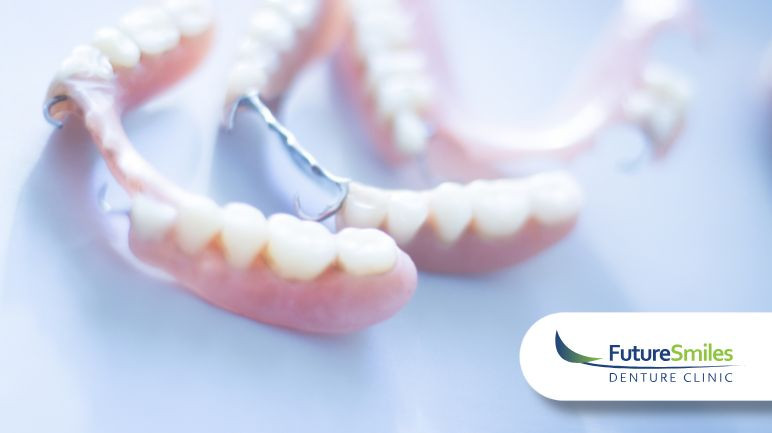
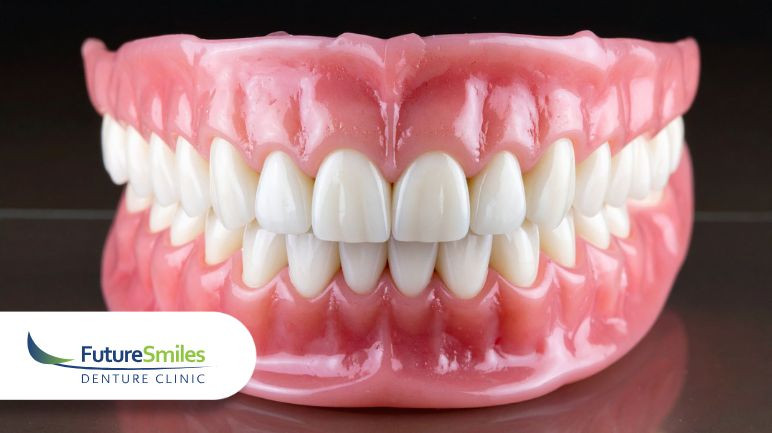
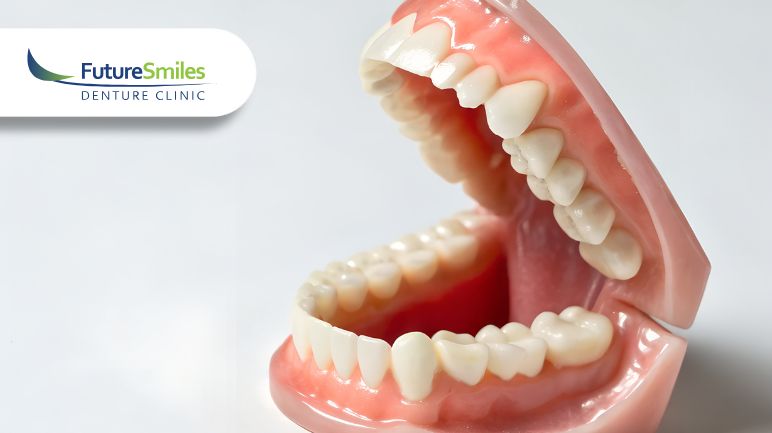
A denture reline is a maintenance procedure that improves how a denture fits against the gums as oral structures naturally change over time. After tooth loss, the jawbone slowly resorbs and gum tissue reshapes, even when dentures are well cared for. As these changes occur, dentures that once fit securely may begin to loosen, shift, or feel uncomfortable. A denture reline addresses this issue by reshaping the underside of the denture so it matches the current contours of the mouth.
Rather than replacing the entire denture, new material is added to the base to restore proper contact with the gums. This improves stability, balance, and overall comfort during daily activities such as eating and speaking. There are two common approaches: a hard denture reline, which uses durable acrylic material for long-term correction, and a soft denture reline, which incorporates a flexible lining that cushions sensitive gums. The appropriate option depends on comfort needs, gum health, and how much change has occurred since the denture was first made.
By restoring a close, even fit, a denture reline helps reduce pressure points and minimizes unwanted movement. This allows dentures to function as intended without excessive reliance on adhesives or constant adjustments.
Signs You May Need a Denture Reline
Many patients are unsure when a denture reline is needed because changes often happen gradually. One of the earliest signs is looseness, where dentures no longer feel secure during chewing or speaking. Dentures may rock slightly, shift when biting into food, or require frequent use of adhesive to stay in place. While adhesives can provide temporary support, increased dependence on them often signals that the denture no longer fits properly.
Other signs include sore spots, gum irritation, or redness caused by uneven pressure. Clicking sounds when talking, changes in speech clarity, or difficulty chewing foods that were previously manageable may also indicate fit issues. In some cases, patients notice discomfort only at the end of the day, when prolonged wear highlights areas of friction or instability.
Ignoring these warning signs can lead to worsening irritation and reduced confidence. Poorly fitting dentures may place uneven stress on the gums, increasing the risk of inflammation or tissue breakdown. A timely denture reline corrects these problems by restoring even contact and support. Addressing fit changes early helps maintain comfort, protects oral tissues, and prevents minor issues from becoming persistent sources of discomfort.
How Relining Improves Comfort and Longevity
A well-fitting denture should feel stable without excessive pressure or movement. A denture reline restores this balance by improving how the denture distributes force across the gums. With better contact, chewing becomes more efficient, and daily wear feels more natural. Reduced movement also lowers the risk of friction-related sore spots, making dentures easier to wear for longer periods.
Relining plays an important role in extending the life of dentures. When dentures are allowed to remain loose for too long, uneven wear and strain can compromise their structure. By maintaining proper fit through regular relines, patients can continue using their existing dentures comfortably without needing premature replacement. This makes relining a practical and cost-effective part of long-term denture care.
Comfort improvements often translate into increased confidence. Patients who previously worried about dentures shifting while eating or speaking often feel more secure after relining. Clearer speech, improved bite stability, and reduced irritation all contribute to a better daily experience. While dentures will never prevent natural changes in the jaw, regular relines help adapt the denture to those changes, preserving function and comfort over time.
For many patients, denture relining is not a one-time event but an ongoing part of maintaining oral health and quality of life. Regular assessments ensure dentures continue to fit properly as the mouth changes, allowing patients to enjoy consistent comfort and dependable function year after year.
FAQs
Q: WHAT IS A DENTURE RELINE?
A: A denture reline reshapes the underside of a denture to improve fit as gums and bone change.
Q: WHEN SHOULD A DENTURE RELINE BE DONE?
A: Relines are often needed when dentures feel loose, cause sore spots, or rely heavily on adhesives.
Q: IS A DENTURE RELINE BETTER THAN REPLACING DENTURES?
A: If the denture is still in good condition, a reline can restore comfort without full replacement.