Consultation and Treatment Planning
The first step in the denture implants process is a comprehensive consultation. During this appointment, oral health, bone structure, and existing dentures are carefully evaluated. Imaging and clinical assessments help determine whether a patient is a candidate for implant-supported dentures. Bone density is a key factor, as dental implants must integrate securely with the jawbone.
This planning stage also addresses patient goals, comfort expectations, and budget considerations. For patients researching denture implants, the consultation provides clarity on the number of implants needed, the type of denture recommended, and the overall timeline. A personalized treatment plan ensures the denture implants are designed to fit comfortably and function properly long term.
Implant Placement and Healing Phase
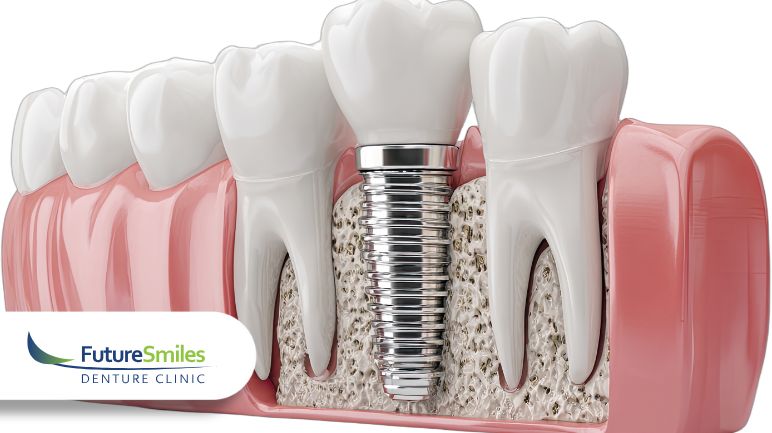
Once planning is complete, dental implants are placed into the jawbone. These implants act as anchors for the dentures and are essential to the success of denture implants. After placement, a healing period allows the implants to fuse with the bone through a process called osseointegration. This stage is critical for stability and durability.
During healing, patients may continue wearing temporary dentures while the implants integrate. Although this phase requires patience, it directly impacts the long-term success of implant-supported dentures patients receive. Healing times vary depending on individual health and bone quality, but this step ensures the implants can support normal chewing forces without movement.
Final Denture Fitting and Long-Term Results
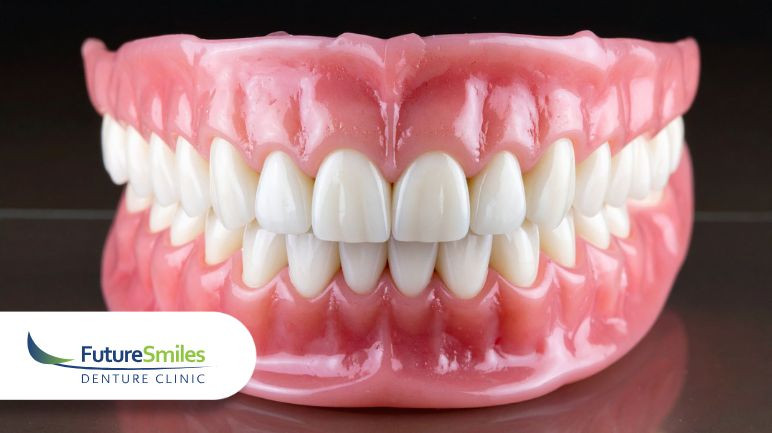
After the implants have fully healed, the final dentures are fitted and secured. Implant-supported dentures patients choose may snap onto the implants or be fixed permanently, depending on the treatment plan. Adjustments are made to ensure proper bite alignment, comfort, and appearance.
Understanding the cost of denture implants is important at this stage, as the final prosthetic reflects the precision and customization involved. Compared to traditional dentures, denture implants offer improved stability, reduced maintenance, and long-lasting performance. Patients benefit from better chewing ability, clearer speech, and increased confidence once the final fit is complete.
FAQs
Q: HOW LONG DOES THE DENTURE IMPLANT PROCESS TAKE?
A: The denture implant process can take several months, depending on healing time and individual treatment needs.
Q: IS THE DENTURE IMPLANT PROCESS PAINFUL?
A: Most patients report minimal discomfort, which is typically managed with standard pain control during healing.
Q: WHY DOES DENTURE IMPLANTS COST MORE?
A: Denture implants involve surgery, custom planning, and long-term materials, contributing to higher upfront costs but lasting value.