Why Denture Implants Cost More Upfront
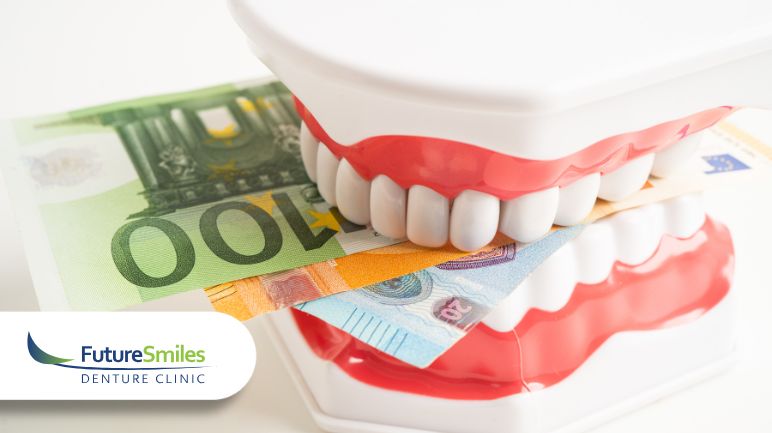
Denture implants involve more than just creating a denture that replaces missing teeth. The higher upfront cost reflects a comprehensive treatment process designed for long-term stability, comfort, and durability. This process begins with detailed treatment planning, including clinical exams and imaging to assess bone quality, bite alignment, and overall oral health. These evaluations are essential to ensure dental implants are placed accurately and can properly support the denture over time.
The surgical placement of dental implants is another key factor influencing cost. Implants must be carefully positioned in the jawbone to create a strong, stable foundation. After placement, a healing period is required to allow the implants to fuse with the bone. This step, known as osseointegration, is critical to the success of implant-supported dentures and cannot be rushed without compromising long-term results.
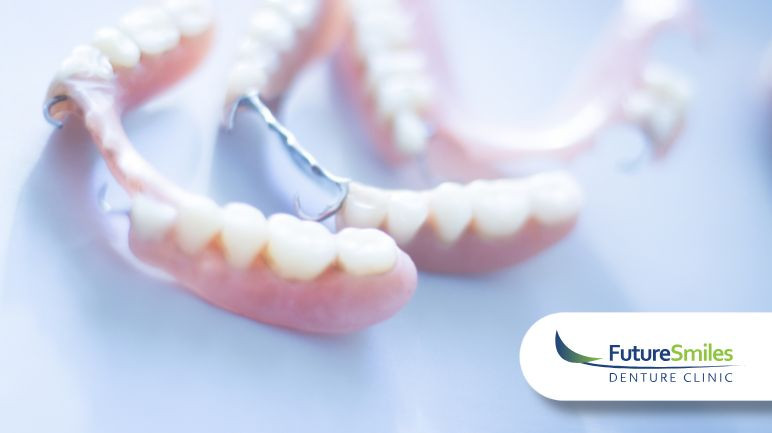
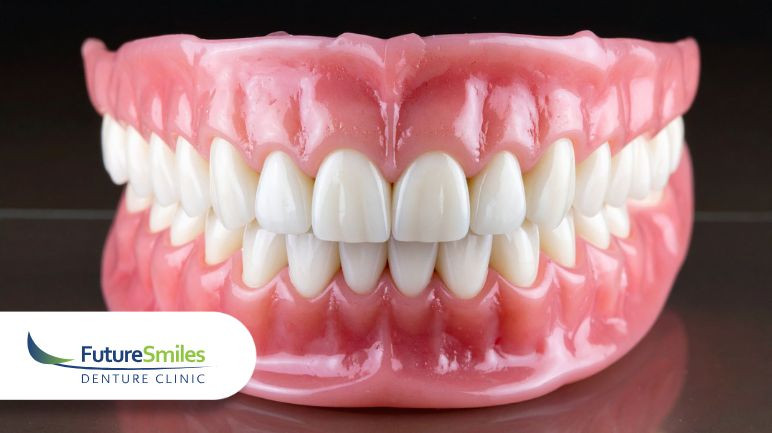
Once healing is complete, a custom-designed denture is created to attach securely to the implants. This prosthetic is crafted to fit precisely, support proper bite function, and provide a natural appearance. Compared to traditional dentures that rest on the gums, implant-supported dentures require advanced materials and precision fabrication. While these steps increase the initial investment, they also reduce the likelihood of frequent relines, denture adhesives, or premature replacements. For many patients, denture implants represent a carefully planned solution rather than a temporary fix.
Long-Term Value Compared to Traditional Dentures
Traditional dentures are often seen as the more affordable option at first, but long-term costs and limitations are important to consider. Because they sit directly on the gums, traditional dentures rely on suction or adhesives to stay in place. As the jawbone naturally shrinks after tooth loss, dentures may loosen, requiring repeated adjustments or relines to maintain comfort and function.
Denture implants, by contrast, are anchored to the jawbone, helping preserve bone structure and reduce ongoing changes in fit. This stability allows implant-supported dentures to maintain their position during eating and speaking, which improves chewing efficiency and reduces irritation. Patients often report greater confidence and fewer restrictions with food choices compared to traditional dentures.
Over time, traditional dentures may need to be replaced as gum and bone changes affect their fit. These recurring costs, along with discomfort or frustration, can add up. Full denture implants provide a more predictable and durable solution, minimizing maintenance needs and helping patients avoid frequent follow-up adjustments. When evaluated over several years, the reliability and reduced upkeep of denture implants often offset the higher upfront expense, making them a strong long-term value for many patients.
Who Benefits Most From Denture Implants
Denture implants are particularly well suited for patients who prioritize comfort, stability, and long-term oral function. Individuals who experience slipping dentures, sore spots, or difficulty chewing with traditional dentures often benefit significantly from implant-supported options. The added security allows patients to speak and eat with greater confidence, without worrying about movement or irritation.
Overall health and bone quality play an important role in determining suitability for denture implants. Patients with sufficient bone density are typically good candidates, while others may still qualify with additional planning or preparatory procedures. Personal expectations are equally important. Patients seeking a secure, natural-feeling solution that closely mimics the function of natural teeth often find denture implants to be worth the investment.
Lifestyle factors also matter. Those who want to enjoy a wider range of foods, reduce reliance on adhesives, and minimize long-term maintenance often prefer implant-supported dentures. While not every patient requires or chooses this option, denture implants provide meaningful advantages for those looking for a stable, confidence-boosting solution that supports daily comfort and long-term oral health.
FAQs
Q: ARE DENTURE IMPLANTS WORTH THE COST?
A: Many patients find denture implants worthwhile due to improved comfort, stability, and long-term durability compared to traditional dentures.
Q: WHY DO DENTURE IMPLANTS COST MORE THAN TRADITIONAL DENTURES?
A: The cost reflects implant placement, surgical care, and custom fabrication, which contribute to better long-term performance.
Q: DO DENTURE IMPLANTS LAST LONGER THAN REGULAR DENTURES?
A: Yes, implant-supported dentures typically last longer and require fewer adjustments over time.