UNDERSTANDING COMPLETE DENTURES
Choosing between Complete Dentures and partial dentures is an important decision that can significantly affect comfort, appearance, oral function, and overall quality of life. While both options are designed to replace missing teeth, they serve different purposes and are recommended in different situations. Understanding how each solution works can help individuals make informed decisions about their oral health needs.
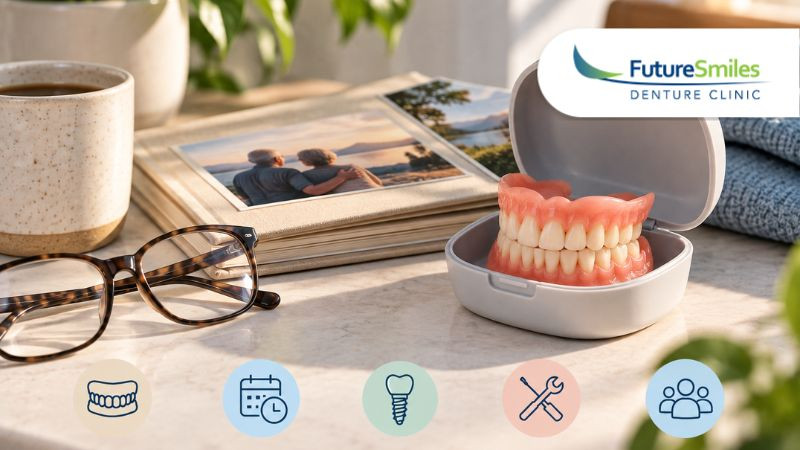
Complete Dentures are designed for individuals who have lost all of their natural teeth in either the upper arch, lower arch, or both. These dentures are custom-made to fit the gums and restore the appearance and function of a full set of teeth. They can help improve chewing ability, speech, facial support, and confidence.
Benefits of complete dentures may include:
- Replacing an entire arch of missing teeth
- Restoring facial appearance and support
- Improving chewing function
- Enhancing speech clarity
- Increasing confidence when smiling
- Custom-designed for individual comfort
- Non-surgical tooth replacement option
- Supporting everyday oral function
Many people choose complete dentures because they provide a practical solution when no natural teeth remain. Modern denture technology has improved significantly, allowing dentures to look more natural and feel more comfortable than many people expect.
The process typically involves several appointments to ensure proper fit, appearance, and function. Measurements, impressions, and adjustments are used to create dentures that are customized for each individual. This personalized approach helps improve comfort and overall satisfaction.
Another important benefit of complete dentures is the restoration of facial structure. Missing teeth can sometimes cause the cheeks and lips to appear sunken, creating an aged appearance. Dentures help support facial tissues and contribute to a fuller, healthier-looking smile.
Complete dentures also help individuals regain confidence in social situations. Being able to smile, speak, and eat more comfortably can positively impact both personal and professional interactions.
While complete dentures offer many advantages, they may require an adjustment period. New wearers often need time to become comfortable speaking and eating with their dentures. Regular follow-up appointments can help address fit concerns and ensure optimal performance.
Understanding the purpose and benefits of complete dentures provides an important foundation when comparing them to partial dentures. The right solution ultimately depends on how many natural teeth remain and what treatment goals are most appropriate for each individual situation.
WHEN PARTIAL DENTURES MAY BE RECOMMENDED
Unlike complete dentures, partial dentures are designed for individuals who still have healthy natural teeth remaining. Rather than replacing an entire arch, partial dentures fill the spaces created by missing teeth while working alongside existing teeth to maintain function and appearance.
Partial dentures are often recommended when preserving natural teeth is possible. By utilizing remaining healthy teeth for support, these dentures help restore gaps while maintaining a more natural dental structure.
Benefits of partial dentures may include:
- Replacing multiple missing teeth
- Preserving healthy natural teeth
- Improving chewing ability
- Supporting proper speech
- Helping prevent teeth from shifting
- Enhancing smile appearance
- Providing a removable solution
- Supporting long-term oral function
One of the biggest advantages of partial dentures is that they help prevent surrounding teeth from drifting into empty spaces. When teeth are missing, neighboring teeth may gradually shift positions, potentially affecting bite alignment and oral health. Partial dentures help maintain stability by filling these gaps.
Partial dentures can also improve chewing efficiency. Missing teeth may make it difficult to eat certain foods comfortably, which can affect nutrition and overall enjoyment of meals. Replacing missing teeth often helps individuals feel more confident eating a wider variety of foods.
Another important benefit is preserving natural tooth structure whenever possible. Since healthy remaining teeth continue to function alongside the denture, many patients appreciate maintaining part of their natural smile while restoring missing areas.
Appearance is another consideration. Partial dentures are designed to blend with natural teeth, helping create a more complete and balanced smile. Modern materials and techniques allow dentures to look more natural and aesthetically pleasing.
Comfort and fit are also important factors. Partial dentures are custom-made to fit each individual's mouth and can be adjusted over time if necessary. Regular evaluations help ensure continued comfort and functionality.
Many people are surprised to learn how versatile partial dentures can be. Depending on the number and location of missing teeth, different designs may be recommended to provide optimal support and stability.
When comparing complete and partial dentures, the most significant difference is the presence of healthy natural teeth. If natural teeth remain and can be preserved, partial dentures often provide an effective solution that combines restoration with preservation.
Understanding when partial dentures may be recommended helps patients better evaluate which option aligns with their oral health needs and long-term treatment goals.
CHOOSING BETWEEN DENTURE OPTIONS
Deciding between complete dentures and partial dentures involves several important considerations. The number of missing teeth is often the primary factor, but oral health, lifestyle preferences, comfort expectations, and long-term goals also play significant roles in determining the most appropriate solution.
The first consideration is the condition of any remaining natural teeth. If healthy teeth remain and can continue functioning effectively, partial dentures may be recommended. If all teeth are missing or require removal, complete dentures may become the preferred option.
Factors that may influence treatment recommendations include:
- Number of missing teeth
- Overall oral health
- Condition of remaining teeth
- Comfort preferences
- Lifestyle needs
- Budget considerations
- Long-term treatment goals
- Functional requirements
Comfort is often a major concern for patients. Both complete and partial dentures are custom-made to fit the mouth, but individual experiences may vary. Proper fitting, regular adjustments, and professional guidance can help maximize comfort and function regardless of the chosen option.
Aesthetic goals are another important factor. Both solutions are designed to improve appearance and restore confidence. The choice often depends on how many teeth require replacement and what level of preservation is possible.
Functionality should also be considered. Eating, speaking, and daily oral function can all improve with properly fitted dentures. A thorough evaluation helps determine which solution is best suited to supporting these activities.
Long-term oral health is equally important. Preserving healthy teeth whenever possible is generally beneficial, which is one reason partial dentures are frequently recommended when natural teeth remain viable. However, every situation is unique and requires professional assessment.
Maintenance requirements should also be discussed. Both complete and partial dentures require regular cleaning, proper storage, and routine evaluations to maintain performance and longevity. Following professional care recommendations can help extend the life of dentures and support ongoing comfort.
Another consideration is adaptability. Oral tissues and dental structures can change over time, making periodic adjustments necessary. Regular appointments help ensure dentures continue fitting properly and functioning effectively.
Many individuals benefit from discussing their concerns, expectations, and goals before selecting a denture solution. Understanding available options can reduce uncertainty and help patients feel more confident about their decisions.
Ultimately, there is no universal answer when choosing between complete and partial dentures. The best solution depends on individual circumstances, oral health status, and treatment objectives. By understanding the differences between these options, patients can make informed decisions that support long-term comfort, confidence, and everyday function. Whether replacing all teeth or only a few missing teeth, selecting the right denture solution can play an important role in improving quality of life and maintaining oral health for years to come.
Another important consideration is long-term comfort and maintenance. Both complete and partial dentures require regular care and periodic evaluations to ensure they continue fitting properly and functioning as intended. Understanding these ongoing responsibilities can help patients choose a denture solution that aligns with their lifestyle, expectations, and long-term oral health goals.
FAQ's
Q: WHAT IS THE DIFFERENCE BETWEEN COMPLETE AND PARTIAL DENTURES?
A: Complete dentures replace all teeth in an upper or lower arch, while partial dentures are used when some healthy natural teeth remain.
Q: ARE PARTIAL DENTURES BETTER THAN COMPLETE DENTURES?
A: Neither option is universally better. The right choice depends on the number of missing teeth, oral health condition, and individual treatment goals.
Q: HOW DO I KNOW WHICH DENTURE OPTION IS RIGHT FOR ME?
A: A professional evaluation can determine whether complete dentures or partial dentures are the most appropriate solution based on your oral health needs and remaining natural teeth.

.jpg "What Happens During Your Very First Visit to a Denturist?")